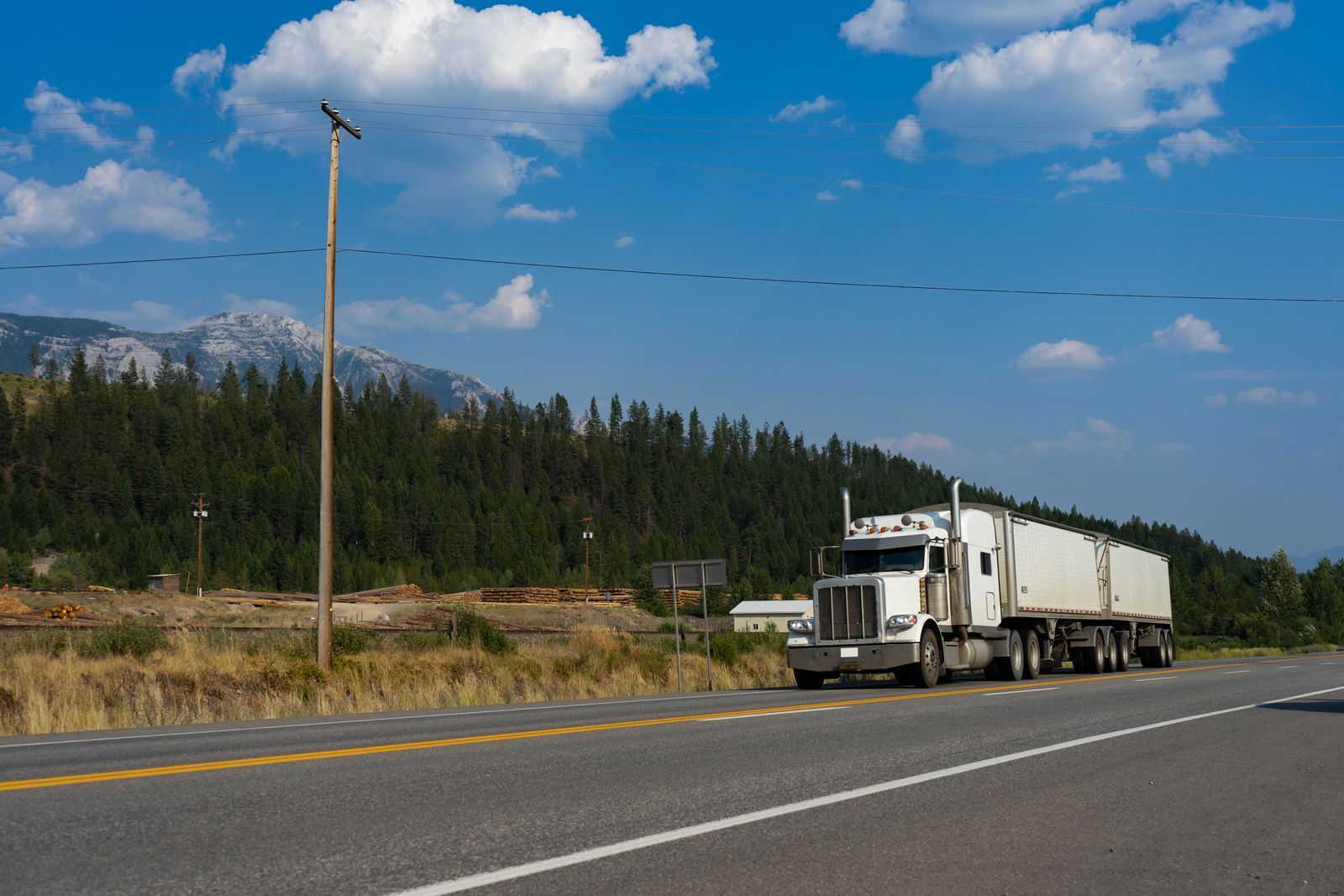
Choosing equipment starts with the freight itself. Dimensions, weight, loading method and handling requirements all shape which trailer will work well for a shipment.
Start with the load
Record the shipment's length, width, height and total weight. Include pallets, skids or other handling units, and note whether the freight can be stacked. Accurate measurements help a carrier plan usable space and check that the load fits safely.
Match the handling needs
Dry vans protect general cargo from weather during transit. Refrigerated equipment is designed for shipments that need a controlled temperature, so the required range and monitoring expectations should be clear before pickup. Flatbeds can suit machinery or other freight that needs side or overhead access, provided the cargo can be secured appropriately.
Plan loading and unloading
Check the facilities at both ends. Dock access, forklift availability, site restrictions and appointment windows can affect equipment choice and timing. For oversized or unusual freight, share diagrams or photos early so the plan can account for dimensions and securement.
Share the details before booking
A complete shipment request includes the commodity, dimensions, weight, pickup and delivery locations, dates, handling instructions and any temperature or access requirements. With those details in hand, a logistics team can compare suitable equipment and explain the next steps.